Judging Odyssey 2026: 24 Hours at PCCE's National Hackathon
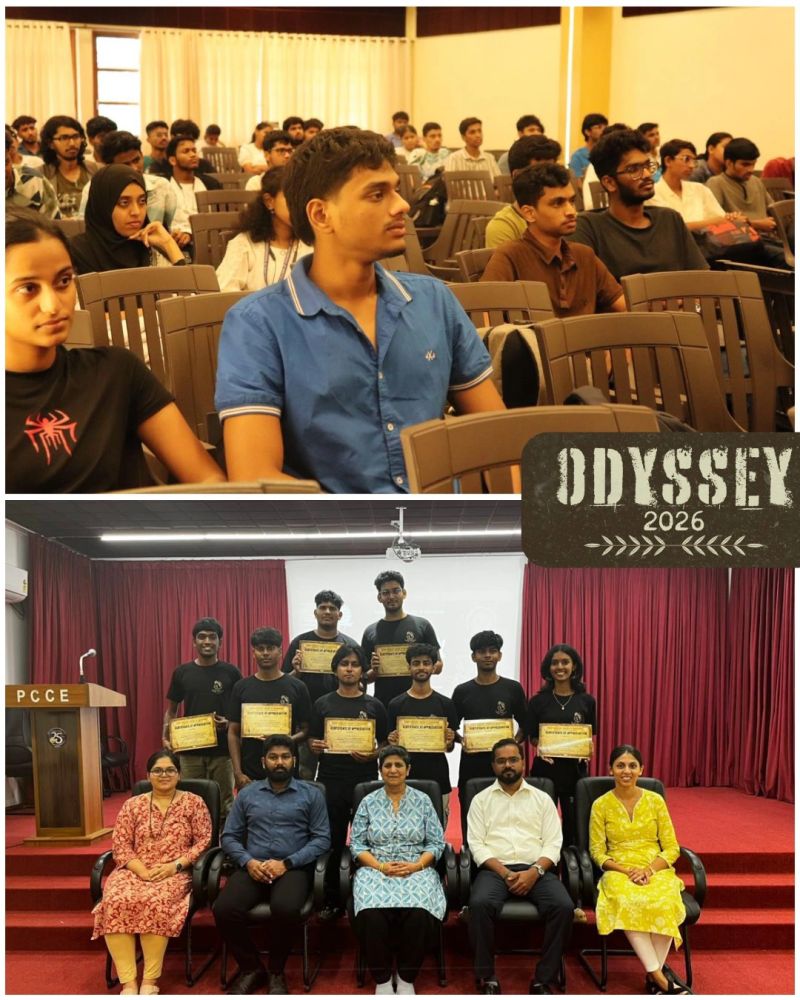
On 25 and 26 April 2026, I spent a day and a night at Padre Conceição College of Engineering in Verna, judging Odyssey 2026 — a 24-hour national-level hackathon run by the Department of Computer Engineering. Minal Naik judged alongside me.
The theme was Code. Create. Conquer. What I saw was closer to building something real than defending it.
What 24 hours actually look like
A lab full of teams, name cards taped to the monitors, and a clock that does not stop. That is the format's whole design: it strips away the time you would normally spend polishing an idea and forces you to decide what the thing actually needs to do.
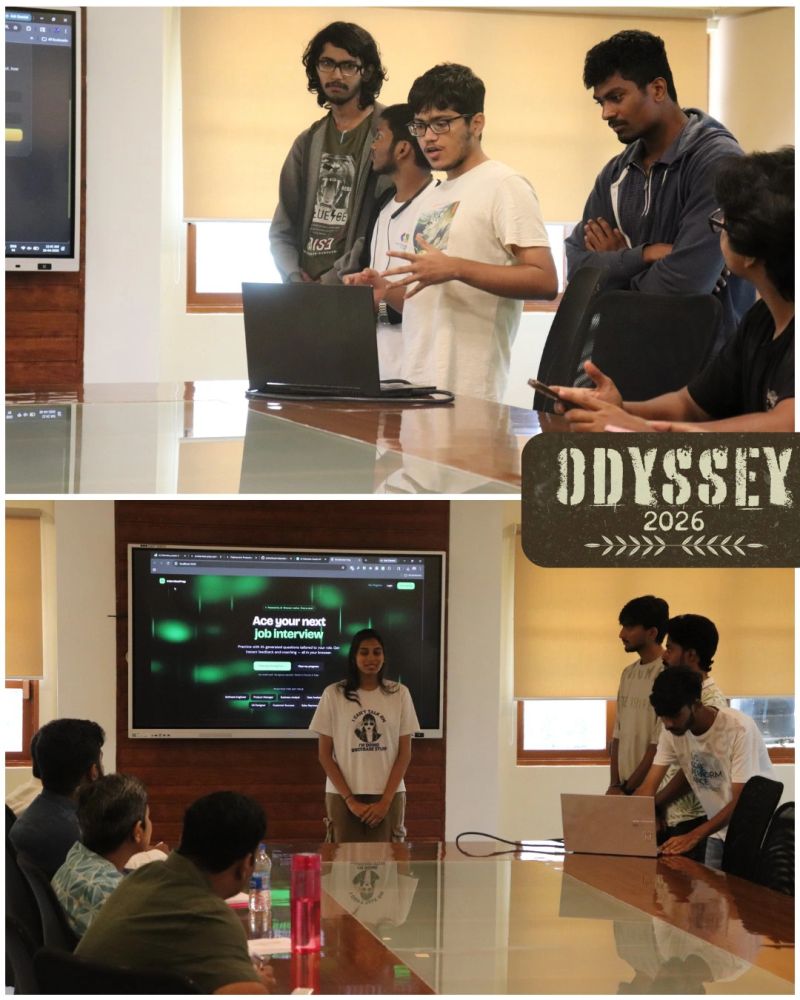
By the time we sat down to judge, most teams had been awake for the better part of a day. It shows — and it is the interesting part. You learn more about a team from how they explain a half-finished feature at hour twenty-two than from a rehearsed demo.
Judging it
The projects ranged widely. One team demoed an AI mock-interview coach that generated role-specific questions and gave feedback in the browser — a genuinely useful idea, and one where the hard part is not the model but knowing what good feedback looks like.
The questions we kept coming back to were the unglamorous ones. Who is this for? What happens when it is wrong? What did you cut, and why that and not something else? The teams that could answer those clearly tended to be the teams whose builds held together.
That is the thing worth saying to anyone who competes in these: the code is the easy half. Being able to explain a decision — including the ones you are not happy with — is what separates a demo from a project.
The winners
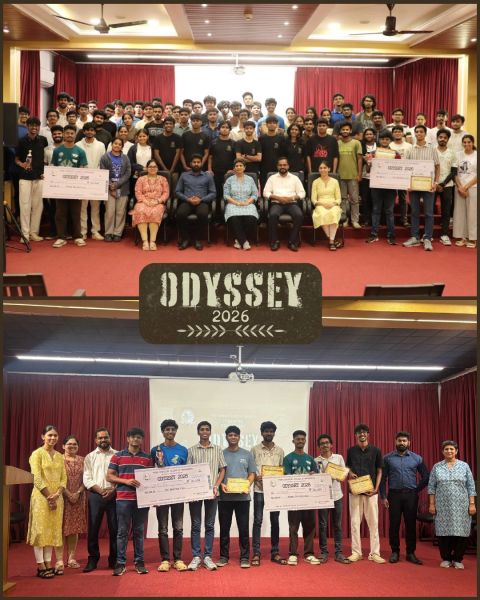
Congratulations to both teams.
First place — Goa Engineering College
Sahil Ghadii, Shridhar Mandrekar, Shraman Deshpande and Pratham Honawarkar
Second place — PCCE
Waylen Barreto, Geetesh Naik, Amey Kapdi and Yash Bavkar
The people who made it happen
Hackathons look effortless from the outside and are anything but. This one ran on time, fed everybody, and kept a roomful of tired people cheerful for 24 hours.
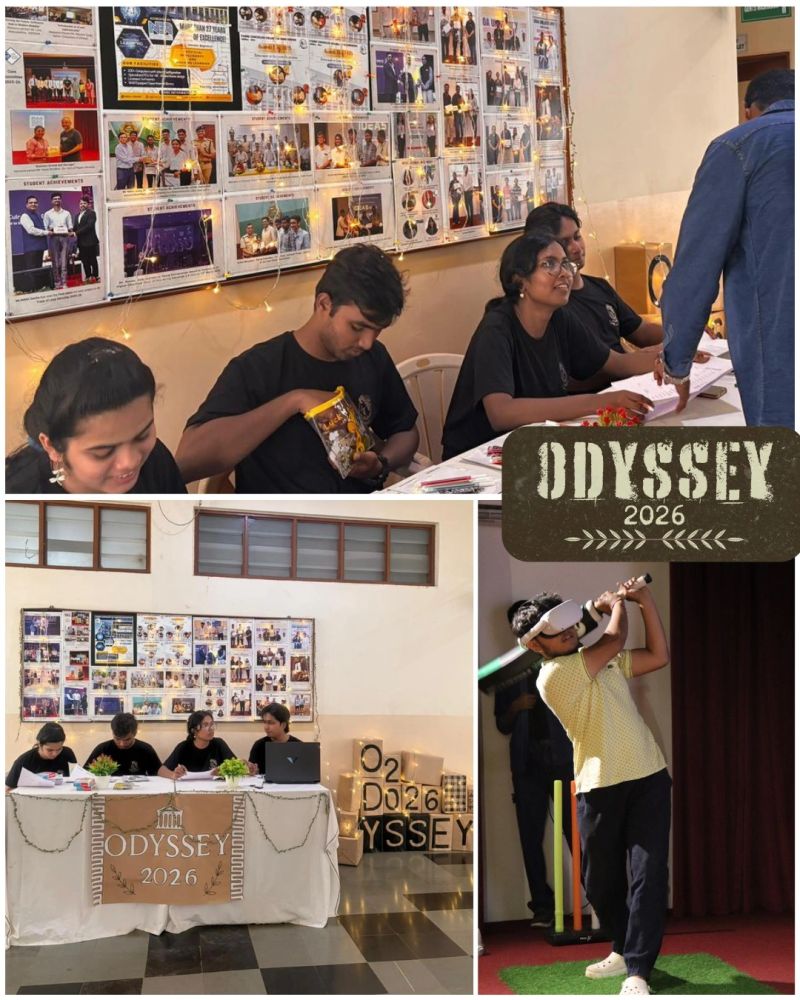
Faculty coordinators Andrea DSouza and Priyanka Kamat, and student coordinators Rounak Naik and Aaron Rebello — thank you. The volunteer team at the registration desk were on their feet the entire time and deserve a mention of their own.
Thanks also to the sponsors: the Department of Science, Technology and Waste Management, and the Goa State Council of Science and Technology. Funding student events like this is how a local tech scene gets built, one cohort at a time.
Not only code
There was a VR corner, music, and long stretches when the whole thing felt more like a festival than a competition. That balance is deliberate, and it matters — you cannot ask people to think hard for 24 hours and give them nowhere to put the pressure down.
It was a pleasure to judge. To everyone who submitted something unfinished and explained it honestly: that is the right instinct. Keep it.